After Two Years of Delays, the Buyaka Fraud Trial Begins:
Ssali and Co-Accused Take Fresh Plea Before Anti-Corruption Court
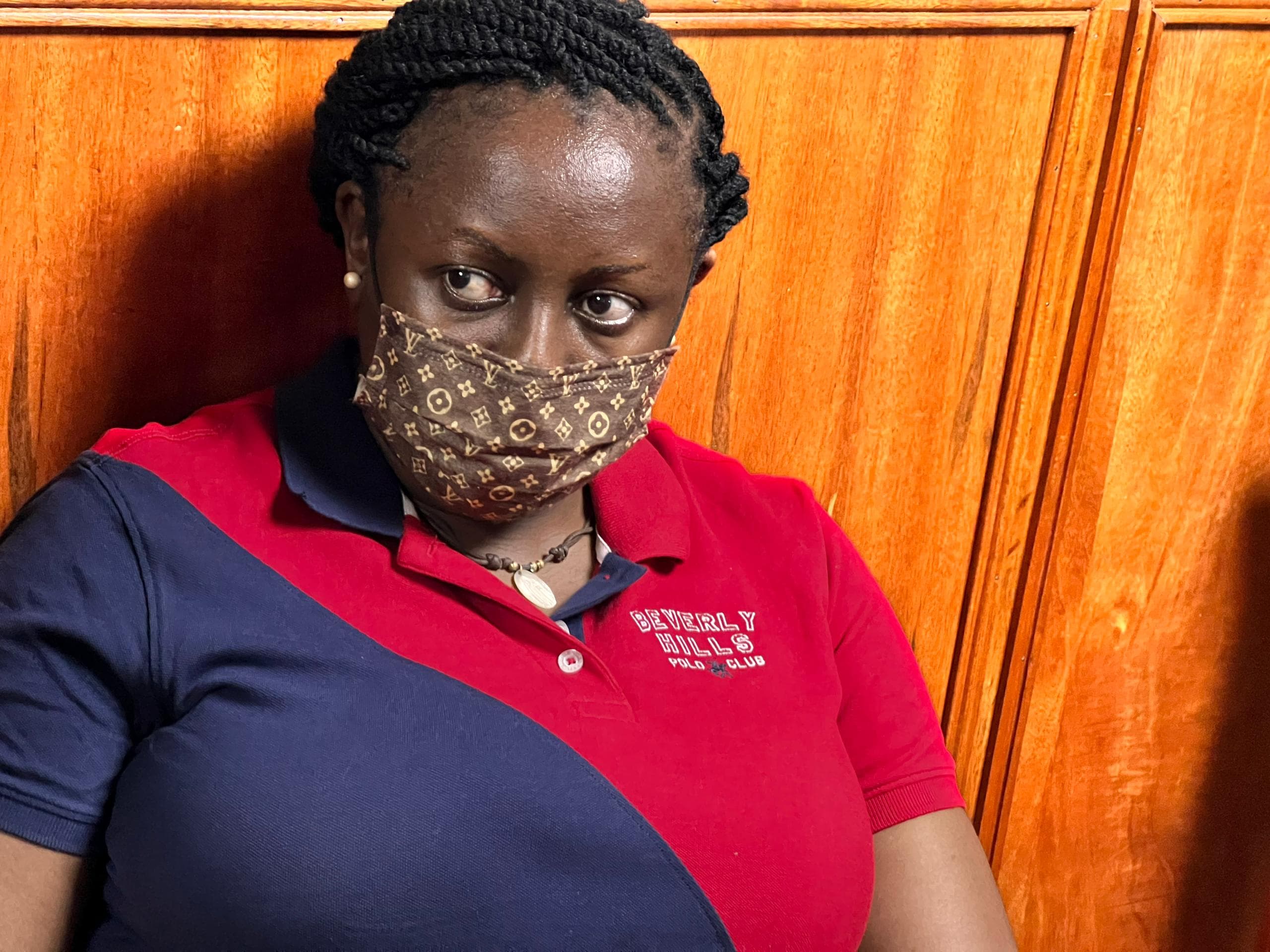
KAMPALA — Two years of adjournments. A constitutional petition that froze the case for over a year. Missed hearings, absent prosecutors and a parade of procedural obstacles that prompted the public to question whether Uganda's most prominent pending corruption prosecution would ever actually begin.
On Tuesday, September 9, 2026, it did.
Former Ministry of Trade, Industry and Cooperatives Permanent Secretary Geraldine Ssali Busuulwa and her five co-accused took fresh pleas before Justice Jane Okuo Kajuga at the Anti-Corruption Division of the High Court in Nakasero, Kampala — the first substantive step toward a trial that has been years in the making. All six accused persons denied the charges. The trial formally opened.
**Who Is in the Dock — and Why**
The case before Justice Kajuga is one of the most politically charged corruption prosecutions in Uganda's recent legal history. It implicates not just a senior government technocrat but sitting and former Members of Parliament, a practising advocate and a public officer — a constellation of power that goes to the heart of how public funds are managed and diverted in Uganda's cooperative compensation system.
Geraldine Ssali Busuulwa is the central accused. As Permanent Secretary of the Ministry of Trade, Industry and Cooperatives — the accounting officer responsible for the ministry's expenditure — Ssali is accused of abusing that authority in a manner that cost the government Shs3.8 billion. Prosecutors allege that during the 2021/22 and 2022/23 financial years, Ssali introduced the Buyaka Growers Cooperative Society Limited onto the list of entities eligible for war-loss compensation, despite the cooperative not appearing in the approved supplementary budget request dated August 4, 2021. She is further accused of authorising payments of Shs3.8 billion to Kirya and Company Advocates — a law firm owned by co-accused Julius Taitankoko Kirya — in violation of the Treasury Instructions of 2017.
Co-accused Igara East MP Michael Mawanda Maranga, Elgon County MP Ignatius Wamakuyu Mudimi, former Busiki County MP Paul Akamba, lawyer Julius Taitankoko Kirya and former Principal Cooperative Officer in the Ministry of Trade Leonard Kavundira all face charges alongside Ssali.
The full charge sheet carries offences of abuse of office, conspiracy to defraud, causing financial loss to government and money laundering. Prosecutors additionally contend that between 2019 and 2023, the accused conspired to defraud the government of more than Shs3.4 billion earmarked for cooperatives affected during the 1981-1986 liberation war and subsequent insurgencies — funds intended to reach farmers and growers whose livelihoods were destroyed during that period, and which are alleged to have been diverted to private beneficiaries instead.
**The Long Road to Tuesday's Courtroom**
The Buyaka fraud case has been a study in the procedural arsenal available to the accused in Uganda's court system — and in the patience required of prosecutions that collide with that arsenal.
The case was first mentioned in 2024. A constitutional petition filed by former Busiki County MP Paul Akamba — challenging the legality of his prosecution on grounds that he had been tortured during his arrest and that his fundamental rights had been violated — froze the trial entirely for more than a year, with the Anti-Corruption Court unable to proceed while the constitutional challenge remained alive. At one stage, the prosecution was absent from a hearing because state attorneys were attending a national prosecution symposium, drawing public criticism for poor case management. At another stage, proceedings were adjourned after Ssali failed to appear in court, prompting the acting Assistant Registrar to issue criminal summons to compel her attendance.
The case was, at various points, described as stalling, adjourned to May 2027, and dormant. Whether it would ever reach trial was, for a period, genuinely uncertain.
The log jam broke on June 2, 2026, when a panel of five Constitutional Court judges delivered a landmark ruling striking down Section 11(2) of the Human Rights Enforcement Act — a provision that had required courts to terminate criminal proceedings and acquit accused persons when violations of non-derogable rights were established. The court held that the provision was unconstitutional, that victims of crime also enjoy the right to a fair hearing, and that violations of an accused person's rights during arrest cannot automatically justify acquittal without trial.
That ruling removed the foundation of Akamba's constitutional challenge and cleared the path for the Anti-Corruption Court to proceed on the merits of the evidence. Justice Kajuga moved quickly. On June 18, 2026, she fixed September 9, 10, 15, 17 and 24 as the first trial hearing dates, directed the prosecution to complete disclosure of all evidence to the defence by June 26, and extended bail for all accused persons.
Tuesday was the first of those five dates. The fresh pleas that opened proceedings mark the beginning of the substantive phase the prosecution has been seeking since 2024.
**What the Evidence Will Need to Establish**
The core of the prosecution's case turns on a question that is both simple and deeply consequential: how did Buyaka Growers Cooperative Society end up on a compensation list it was not supposed to be on — and what happened to the Shs3.8 billion that followed?
According to prosecutors, the Buyaka cooperative was not among the entities approved for inclusion in the supplementary budget request of August 4, 2021. Its subsequent inclusion, the state argues, was not an administrative oversight but a deliberate act — one authorised by Ssali in her capacity as accounting officer and one that unlocked a series of payments to Kirya and Company Advocates that should never have been made.
Anti-corruption analysts have long warned that Uganda's post-war cooperative compensation system — which was designed to provide restitution to farmers, growers and rural cooperatives whose assets were destroyed during the 1981-1986 NRA liberation war and subsequent insurgencies — has been systematically exploited by a network of public officials, politicians and private lawyers who have used the scheme to extract government funds for personal benefit. The Buyaka case, if the prosecution succeeds, will be the most prominent successful prosecution of that exploitation in the compensation scheme's history.
For the families and communities of genuine war-loss victims still awaiting compensation, Tuesday's opening of trial carries a significance beyond the courtroom. Justice, long delayed, took its first formal steps.
---
More in Local