Uganda central bank hikes rates to 12% in emergency move to stem shilling slide
The Bank of Uganda has raised its benchmark lending rate by 225 basis points — the steepest increase in 15 years — after the currency hit successive record lows against the US dollar.
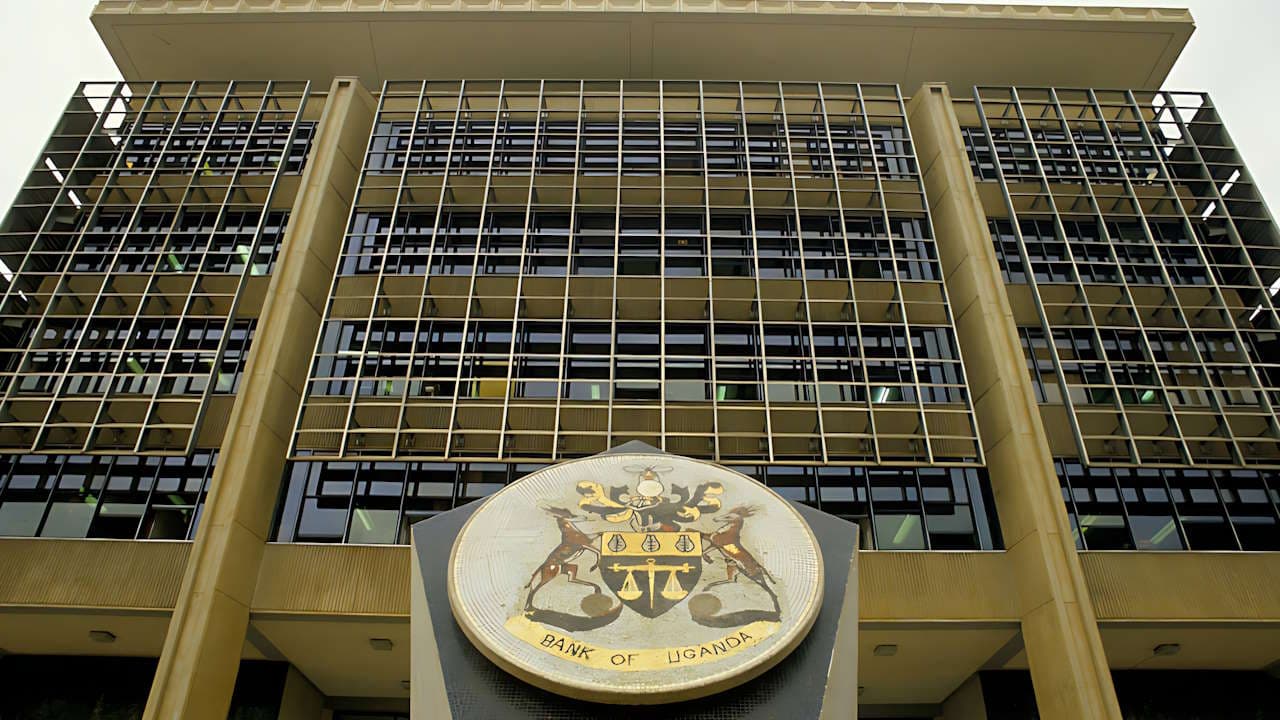
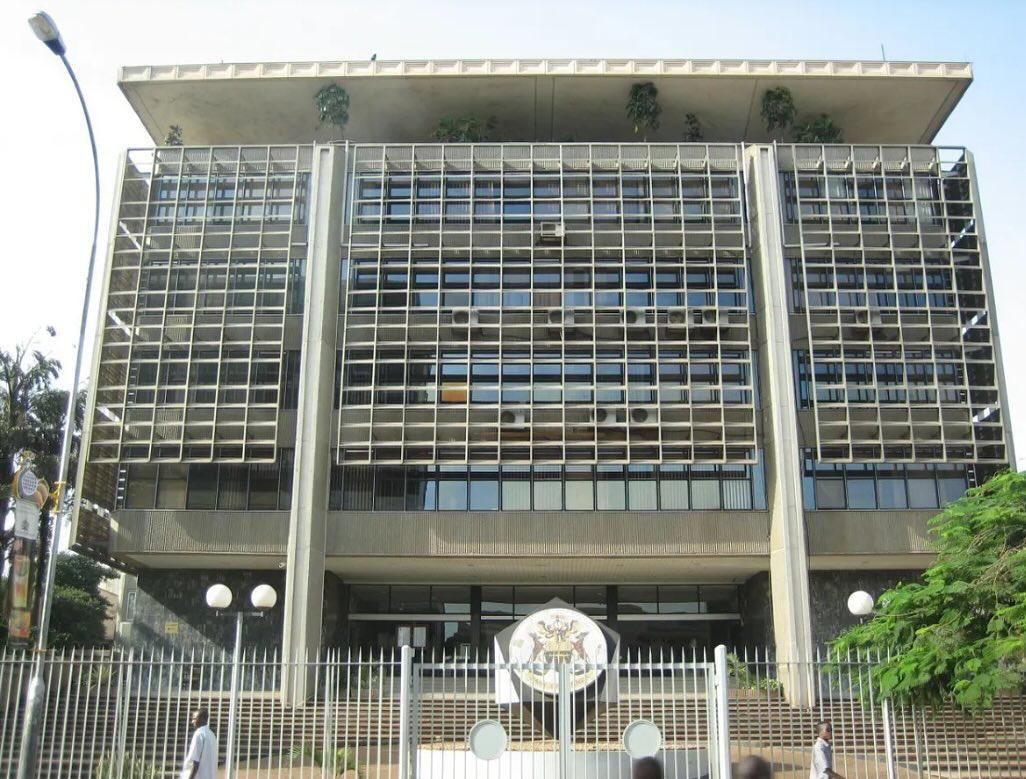
Kampala — Uganda's central bank has raised its benchmark interest rate to 12% following an emergency meeting, as a sharp slide in the value of the shilling threatens to push inflation above the bank's target.
The Bank of Uganda (BoU) said its Monetary Policy Committee lifted the Central Bank Rate by 225 basis points, from 9.75% — the largest single adjustment since October 2011, and the highest borrowing cost in the country since 2017.
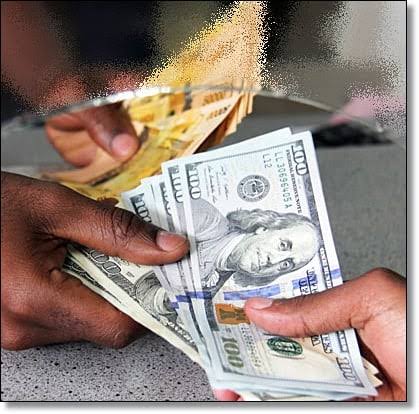
The move ends two years of unchanged rates and comes after the shilling slid past 4,000 per US dollar for the first time, hitting a record low of 4,152.86. The currency has now lost more than 11% of its value this year, with traders citing heavy demand for dollars from merchandise importers, energy companies and telecommunications firms, as well as foreign investors selling Ugandan government bonds.
'Amplify inflation'
In a statement, Governor Michael Atingi-Ego said the global economic environment had "changed significantly" since the committee's last meeting in August, citing the escalation of conflict in the Middle East and the resulting uncertainty.
"The current account deficit has deteriorated by US1.4 billion to US4.6 billion," the bank said, attributing the widening gap to lower agricultural commodity prices — particularly coffee and cocoa — falling tourism receipts and higher freight charges.
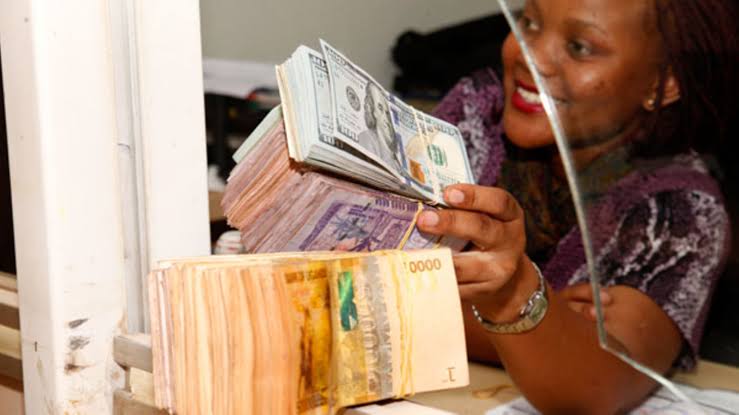
The governor warned that continued depreciation "could amplify inflation", noting that annual inflation had already climbed for a sixth consecutive month to 4.6% in September — its highest level since June 2023, and closing in on the bank's 5% target.
Alongside the rate hike, the central bank confirmed it had raised the cash reserve requirement for commercial banks to 13.5%, effective last month, to prevent excess liquidity from becoming "a destabilising factor".
Reserves row
The emergency session — the first of its kind since July 2022, and pulled forward from the committee's next scheduled meeting on 12 November — highlights the mounting pressure on policymakers.
The central bank has so far declined to intervene directly in the foreign exchange market, insisting it does not target a particular exchange rate level. However, a proposal to draw on Uganda's roughly $6 billion in foreign reserves to ease dollar shortages was reportedly opposed by President Yoweri Museveni, over concerns about the impact on importers.
That leaves those reserves at around 2.7 months of import cover, a relatively thin buffer should pressure on the currency persist.
Analysts said rate hikes alone may not be enough to turn the tide. "The shilling is expected to face renewed pressure as local businesses aggressively source and stockpile dollars ahead of the Q4 holiday peak," said Stephen Kaboyo, managing director of Alpha Capital Partners. "Other lingering factors such as the high energy prices will add to the weakening momentum."
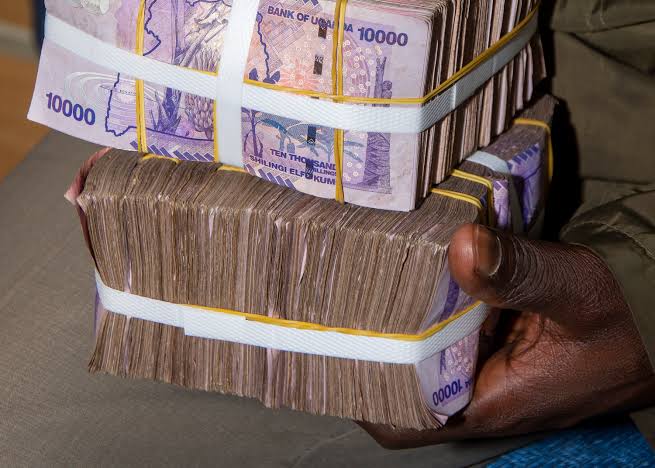
The bank said it "stands ready" to take further measures to preserve price and financial stability. For ordinary Ugandans and businesses, however, the immediate effect will be clear: more expensive loans in an economy banking on oil revenues from its long-delayed crude project.
Source DAILY MONITOR
More in Local