Kampala Staged Bombings: Two Former Military Informers Sentenced to Death
Hamza Lyavaala and Adiil Walusansa received the death penalty after admitting involvement in two staged bomb operations that killed two women in Munyonyo and Kalerwe in June 2025. The General Court Martial said the seriousness of the crimes outweighed their guilty pleas and other mitigating circumstances.
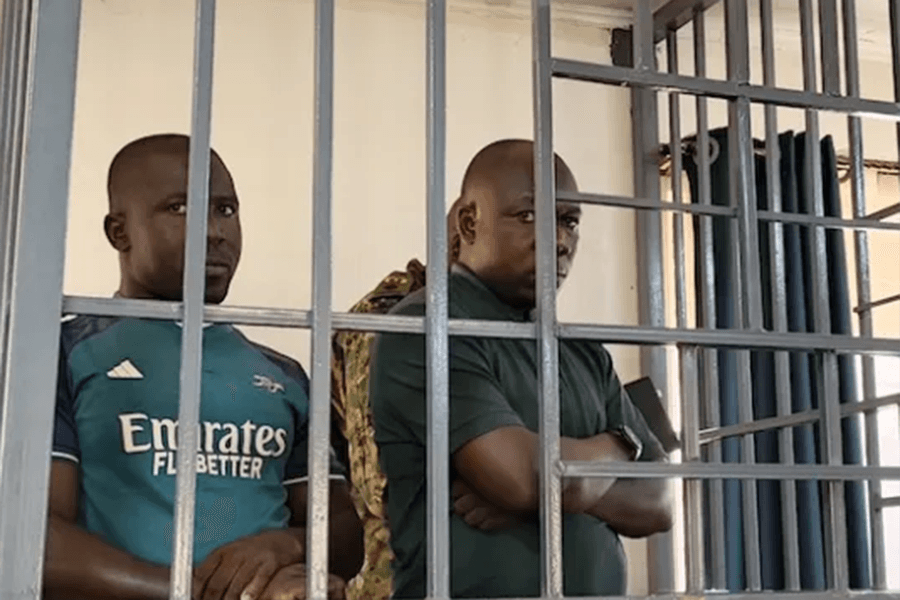
KAMPALA, Uganda — Uganda's General Court Martial has sentenced two former military informers to death for their involvement in staged bomb operations that resulted in the deaths of two women in Kampala and Wakiso districts in June 2025.
Hamza Lyavaala and Adiil Walusansa were handed the sentence on Wednesday, November 4, by the military court sitting at Makindye, following their conviction on two counts of murder after pleading guilty.
The cases arose from incidents involving Sumaya Byaruhanga, who died in an explosion near Munyonyo Catholic Shrine on June 3, 2025, and Azatu Sawiya, who was killed during an operation at Kalerwe Market on June 21, 2025.
Delivering the sentence, General Court Martial chairman Brigadier Richard Tukacungurwa said the seriousness of the offences outweighed the mitigating factors presented by the defence.
How the staged operations were carried out
Court proceedings established that the two men had been working as state informers monitoring activities of the Allied Democratic Forces (ADF).
Prosecutors said they became involved in planning and facilitating operations presented to security personnel as genuine counterterrorism missions.
In the Munyonyo incident, the court heard that Lyavaala helped identify and bring a woman from Busoga, while Walusansa participated in arrangements that included renting accommodation. The woman was subsequently given an explosive device that detonated near the shrine, killing her.
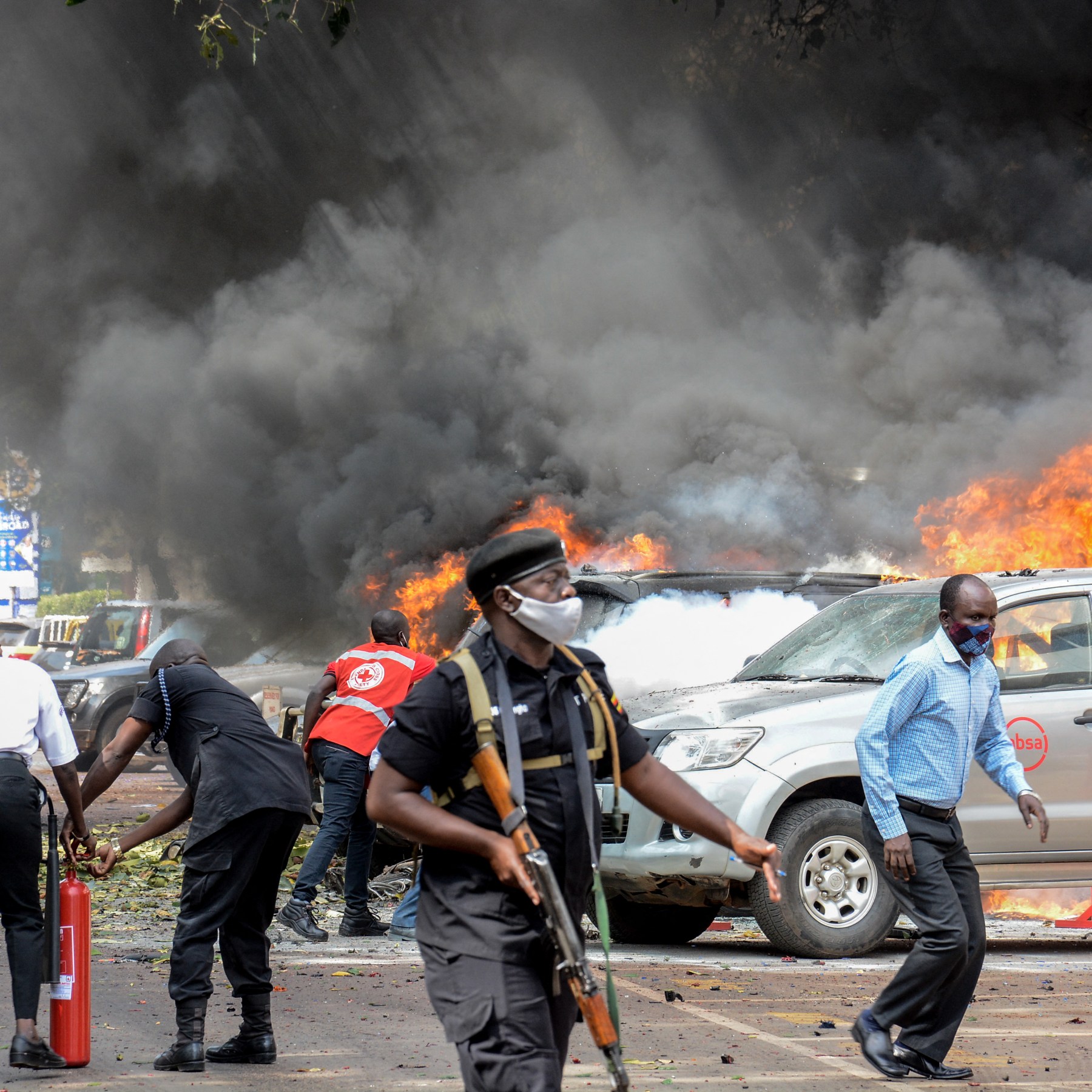
The second operation involved Azatu Sawiya, who was allegedly given an explosive device and directed towards Kalerwe Market. Security personnel had been led to believe that the operation was a genuine threat. She was shot dead during the intervention, and the device she was carrying was later detonated.
The court heard that the operations were planned ahead of Uganda's 2025 Martyrs' Day celebrations and caused public fear.
Why the court imposed the death penalty
During sentencing, the defence asked the court to consider the convicts' guilty pleas, family responsibilities and the fact that admitting the charges had saved judicial time.
Their lawyers had sought a lesser, proportionate sentence that would leave room for rehabilitation.
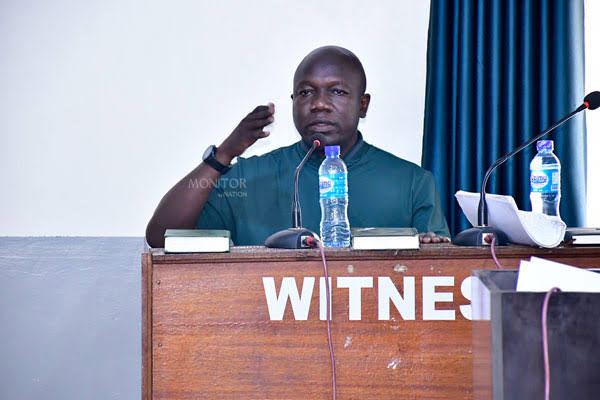
Army prosecutors, however, urged the court to impose the maximum penalty, arguing that the crimes were carefully planned and involved the deaths of vulnerable victims.
Brigadier Tukacungurwa said the court had considered the mitigating circumstances, including the men's status as first-time offenders and their guilty pleas, but found that these did not outweigh the gravity of the murders.
The court also emphasised that punishment should serve purposes beyond rehabilitation, including deterrence, retribution and public denunciation of serious crimes.
A third accused officer awaits trial
The two convicts were jointly charged with Lieutenant Colonel Ephraim Byaruhanga, who is accused of playing a leading role in organising the operations.
Byaruhanga has denied the allegations and is expected to face a separate trial before the General Court Martial.
The court informed Lyavaala and Walusansa that they have 14 days to appeal their sentences.
The case has raised serious questions about the alleged misuse of intelligence operations and the involvement of individuals who were supposed to assist security agencies in combating terrorism.
Source DAILY MONITOR
More in Local