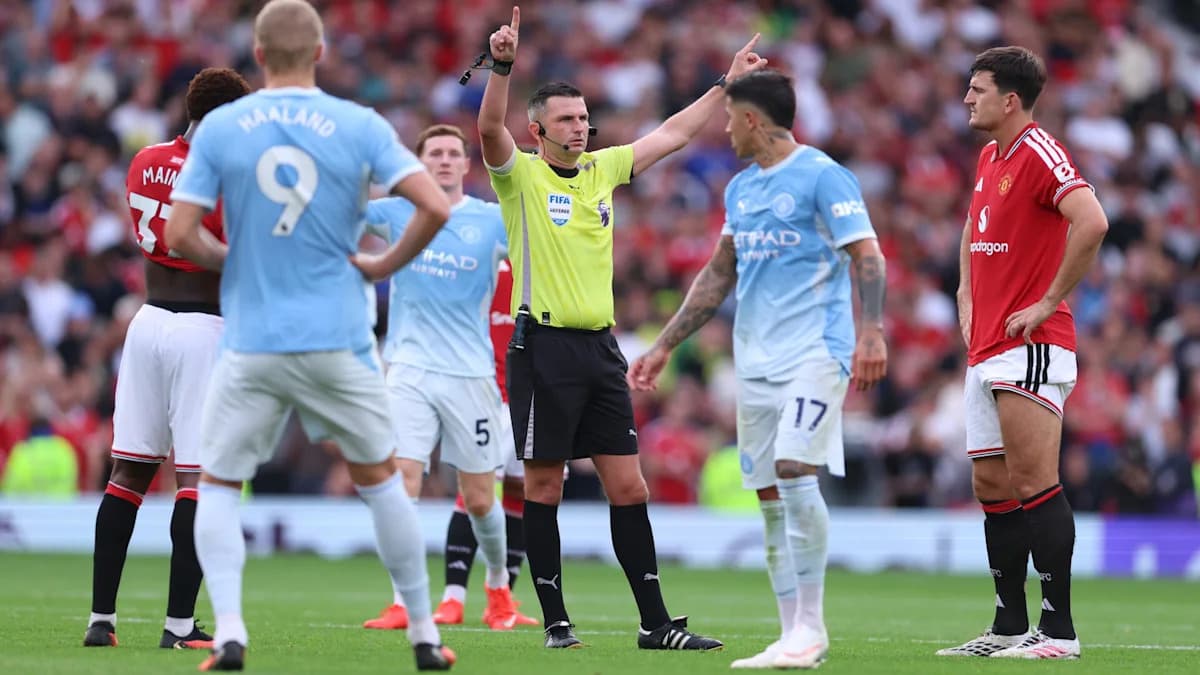
The Special One Returns.
Can Mourinho Finally Win Real Madrid the Champions League He Has Always Promised?
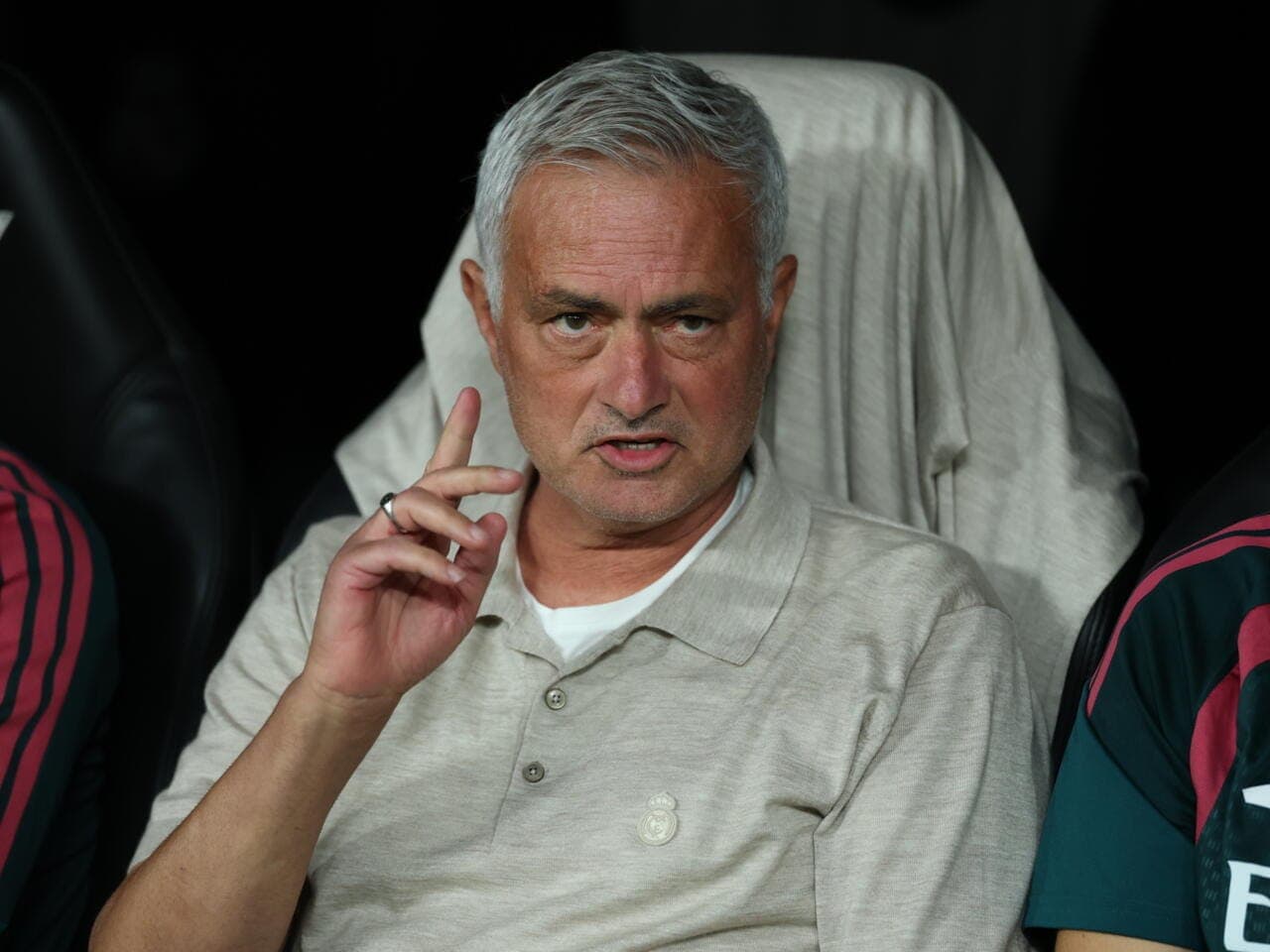
MADRID — The last time José Mourinho won the Champions League, he was at Inter Milan. He threw his coat into the air in the Bernabéu stands, having just beaten Barcelona in the semi-final on their own turf. He cupped his hands to his ears and grinned at the crowd that had been howling at him all night. It was May 2010. He was 47 years old. He had just completed the treble.
Sixteen years later, he is back at the Bernabéu. Not to taunt the crowd this time — but to manage them.
On June 11, 2026, Real Madrid President Florentino Pérez — freshly re-elected to the presidency — confirmed the return of the most divisive, compelling and decorated manager in the modern game. José Mourinho, now 63, signed a three-year contract running until June 30, 2029, officially taking charge on July 13 after preseason began. He came from Fenerbahçe in Turkey, where his spell had been characteristically turbulent. He replaces Álvaro Arbeloa, the club legend who had been managing the first team in an interim capacity following the dismissal of Xabi Alonso earlier in the year.
The question that European football is now wrestling with is not whether Mourinho can manage Real Madrid. He has done that. He was excellent at it — at least in La Liga. The question is the one that has hung over his career for sixteen years: can he win the Champions League again?
**Why He Left — and Why He Is Back**
Mourinho's first spell at Real Madrid, from 2010 to 2013, was one of the most extraordinary, combustible and ultimately unsatisfying chapters in the Bernabéu's modern history. In three seasons, he won one La Liga title — the 2011-12 season in which Real finished with 100 points, a record that still stands — along with one Copa del Rey and the Spanish Super Cup. He had Cristiano Ronaldo at his peak and an extraordinary squad. He played extraordinary football in La Liga.
In the Champions League, he failed. Not abjectly, not without close calls — but he failed in the only competition that defines legacy at Real Madrid. Eliminated by Barcelona in 2011 in the semi-finals. Eliminated by Bayern Munich on penalties in the semi-finals in 2012 — a night of agony at the Allianz Arena that has never fully faded from the memory of those who witnessed it. Eliminated by Borussia Dortmund in the semi-finals in 2013. Three consecutive semi-final exits. Three times within touching distance of the final. Three times, the trophy went elsewhere.
He left in the summer of 2013 having openly clashed with senior players — including goalkeeper Iker Casillas, whom he dropped controversially — and having alienated significant sections of the dressing room. Pérez moved quickly to appoint Carlo Ancelotti.
Ancelotti won La Décima — the tenth Champions League title — in his very first season.
The contrast defined how Mourinho's first Madrid spell is remembered: magnificent in the league, a near-miss in Europe, destructive in the dressing room. Enough to win a presidential election campaign on if Pérez wanted to justify bringing him back. Not enough to be called a success by Real Madrid's own standards.
**What Has Changed**
Thirteen years have passed. The world of football has changed around Mourinho — and, his supporters argue, so has he.
The squad Mourinho inherits is extraordinary in its attacking potential but fragile in its consistency. Kylian Mbappé — the world's best player in his prime — was Real's top scorer in 2026-27 with four league goals in the opening weeks of the season, a figure that illustrates both his individual brilliance and the team's collective inconsistency. The squad Pérez has assembled around him includes Marc Cucurella from Chelsea on a six-year contract and the retained experience of Antonio Rüdiger, who signed a one-year extension to 2027.
The context that brought Mourinho back is stark. Real Madrid finished the 2025-26 season without a major trophy — their second consecutive barren campaign. They have failed to reach the Champions League quarter-finals in back-to-back seasons. Barcelona clinched the La Liga title with a 2-0 win in El Clásico — the first time in 94 years that the Spanish league had been decided directly between the two clubs in that fashion. It is the kind of humiliation that empties boardrooms and fills agendas.
Pérez's calculation is clear. When the going gets desperate at Real Madrid, you reach for the most ruthless winner available. In 2026, that man is still Mourinho.
**The Champions League Question**
And yet the question that defined his first spell remains the question that will define his second. Can Mourinho deliver the Champions League?
His record in the competition since 2010 is the uncomfortable truth that his advocates tend to avoid. After the Inter treble, he has never gone beyond the semi-finals. At Real Madrid, three semi-final exits. At Chelsea, quarter-final exits. At Manchester United, a quarter-final exit. At Tottenham, a round of 16 exit. At Roma, he never reached the knockout rounds. At Fenerbahçe, he was eliminated in the league phase.
That is sixteen years without reaching a Champions League final. Sixteen years during which the game has changed, pressing football has become the continental standard, and the tournament Mourinho once dominated with Inter's extraordinary defensive mastery has evolved around him.
His admirers argue that circumstances matter — that he was managing clubs with the resources of Chelsea, United and Spurs, not the squad depth and financial power of Real Madrid. His critics argue that a manager of his calibre, given the squads he has had, should have gone further. The truth probably sits somewhere between the two positions.
What is undeniable is this: the Champions League is the only conversation that matters at Real Madrid. It is not a trophy they would like to win. It is the trophy for which the club was built, around which their identity revolves and against which every managerial tenure is ultimately measured. Ancelotti won it. Zidane won it three consecutive times. Mourinho, despite everything he achieved in La Liga, never did.
He is 63 years old. He has a three-year contract. He has the best player in the world. He has the resources of the richest club on earth. And he has a point to prove that sixteen years have not diminished.
The Special One has come home for a second chance. Whether the Champions League delivers the ending his career demands — or denies him once more — will define not just his time at Real Madrid but the final chapter of the most compelling managerial story in the history of the game.
---