Student Lost a Hand. 5,000 Are Under Arrest.
France Braces for Another Day of Rage in Its Schools.
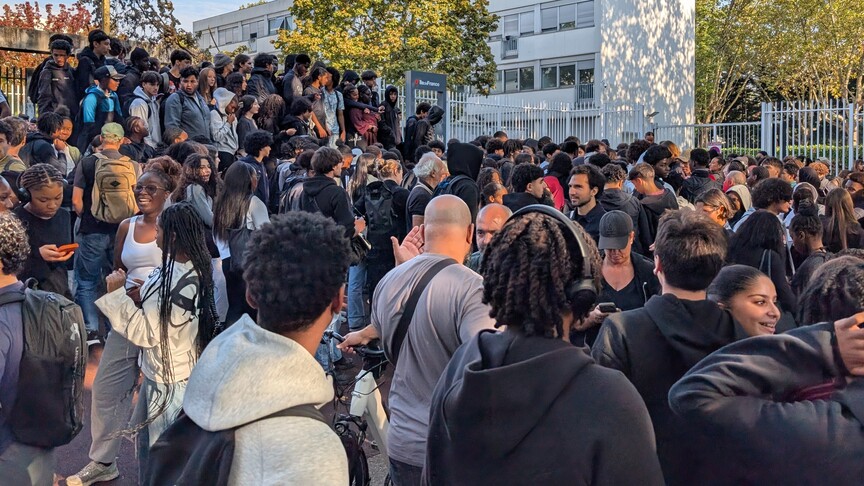
PARIS — It began with a blocked school gate in a Paris suburb — a group of students refusing to let teachers and pupils through, demanding more resources, more staff, more desks, more of the things that a school system in a wealthy Western democracy is supposed to provide as a matter of course.
That was roughly two weeks ago. Today, France is dealing with something considerably more serious.
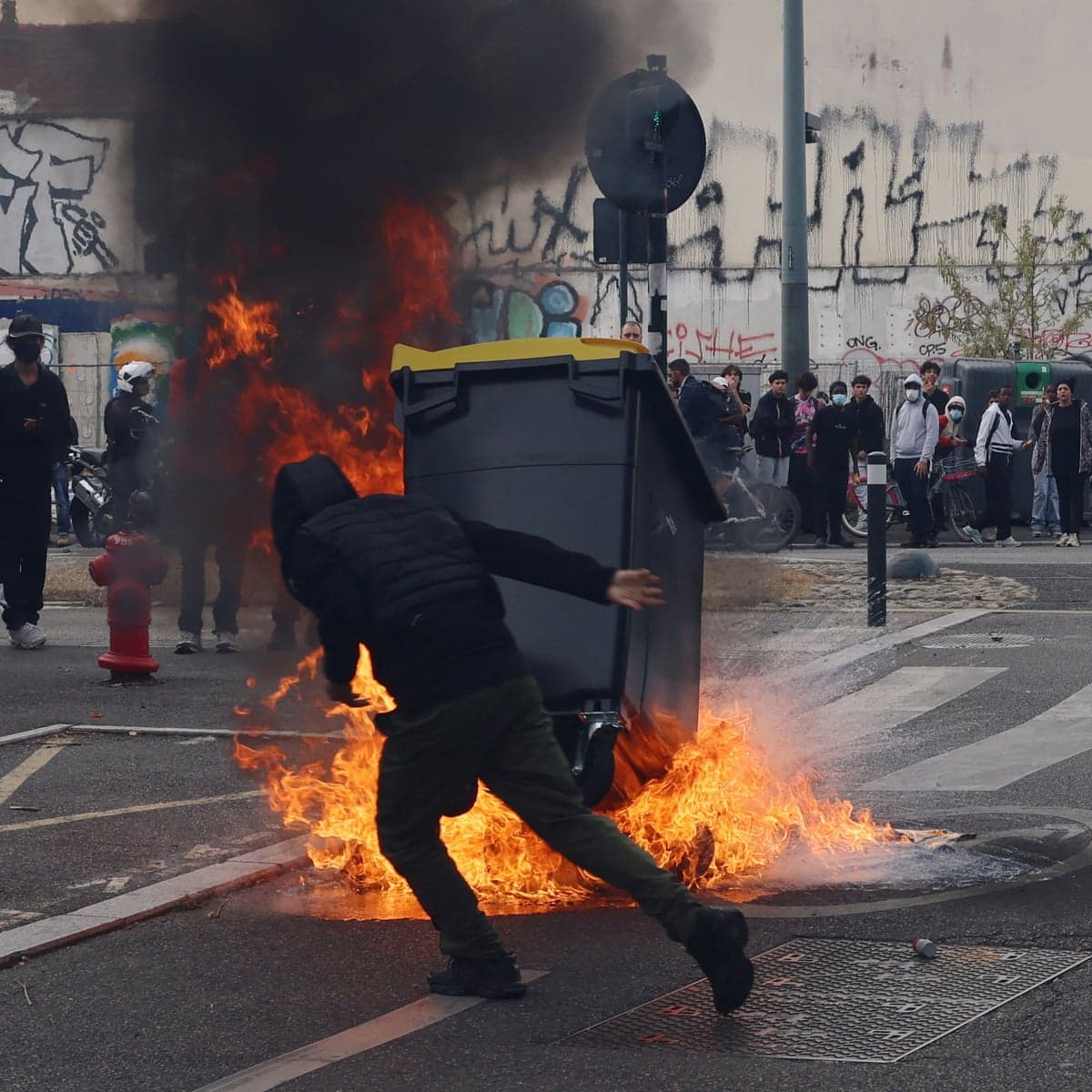
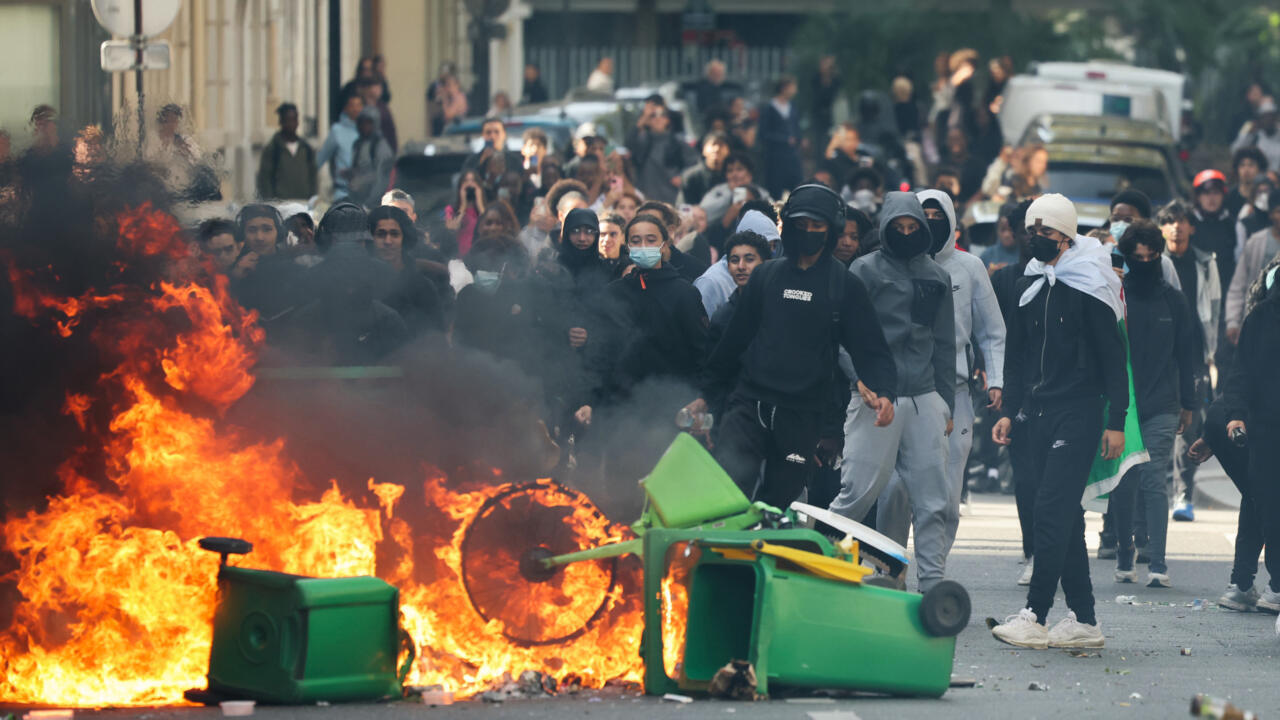
More than 5,000 people have been arrested since the protests began — 87 percent of them minors. More than 170 pupils have been injured. More than 78 school staff have been hurt. More than 600 police officers have suffered injuries. Twenty-four schools have been burned or ransacked. Around 400 to 500 school buildings have been forced to close due to damage or attacks. A teenager lost a hand in a grenade explosion near the Auguste-Behal vocational high school in Lille on Sunday. And on Tuesday, October 6, the two student unions leading the movement — the Student Union and the High School Trade Union — have called for a new nationwide day of action.
France is bracing.
**How It Started**
The immediate trigger was a lycée in Créteil, in the southeastern outskirts of Paris. Teachers and students there mobilised against chronic staff shortages — empty classrooms, teachers who cannot be found, lessons that simply do not happen because there is no one to give them. The protest spread to other Paris suburbs, then to schools across the capital, then to cities and towns across the country. Within days, what began as a localised demonstration about conditions at one school had become a nationwide convulsion in the French education system.
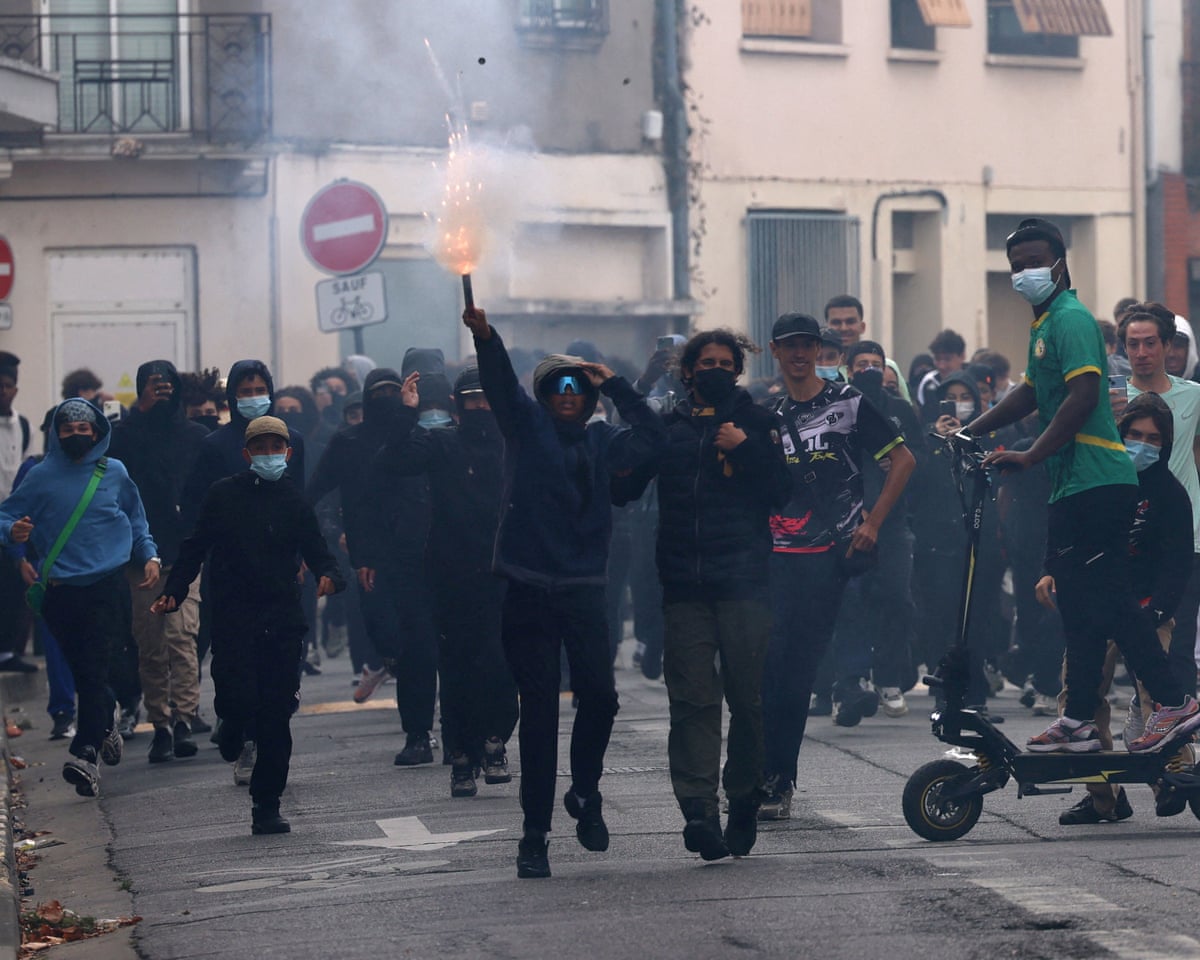
The students' demands are not revolutionary. They want resources. They want teachers. They want functional classroom facilities. They want schools in less affluent areas to receive the same investment as those in wealthier ones. They want reform of the long hours that French pupils spend inside the school system. "Today our school is paralyzed due to a lack of resources, teachers, and not enough desks," one student told Agence France-Presse.
These are not abstract ideological demands. They are requests for the basic components of a functioning education.
**What Happened to the Protests**
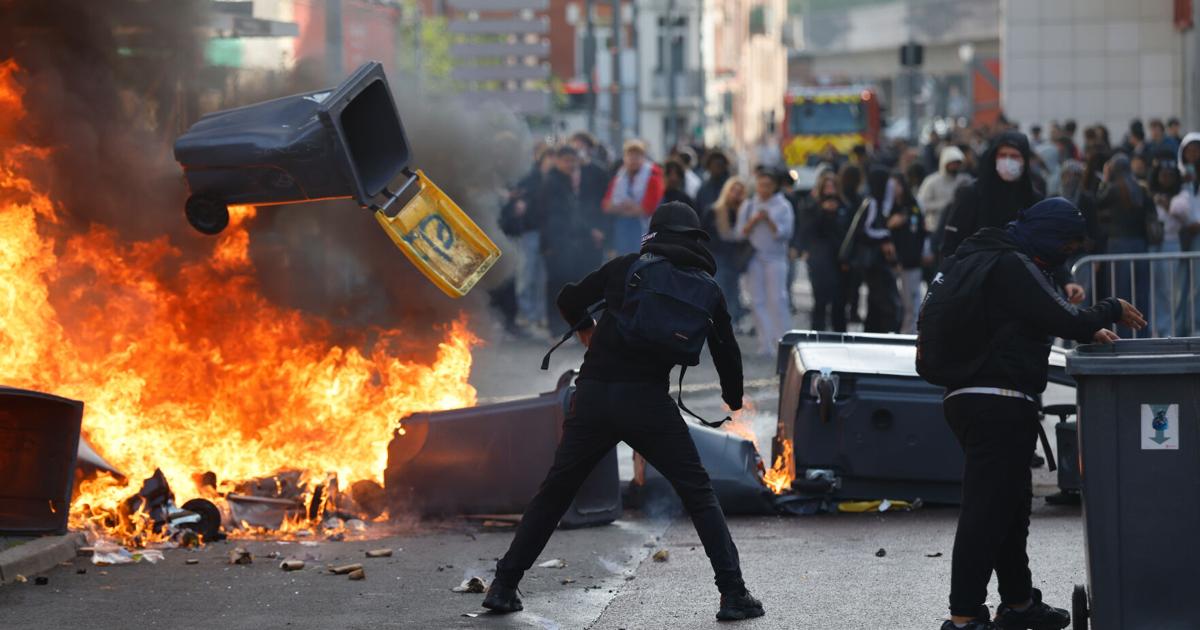
What began as school blockades and class strikes has in many places darkened into something more violent and more complicated. In some cities, demonstrators set fire to schools. In others, rioters wearing hoods and masks — not necessarily students — infiltrated the protests and attacked buildings. Carole Zerbib, head of the vandalised Lycée Vauquelin in Paris's 13th district, described a "very determined" group that attacked her school. Fires were started at at least two French schools in a single day. On Sunday, a teenager had their hand blown off near a vocational school in Lille in what police are treating as a grenade explosion — with police internal affairs now investigating six separate cases of serious injuries sustained during the protests, including facial injuries suspected to have been caused by police rubber bullet projectiles.
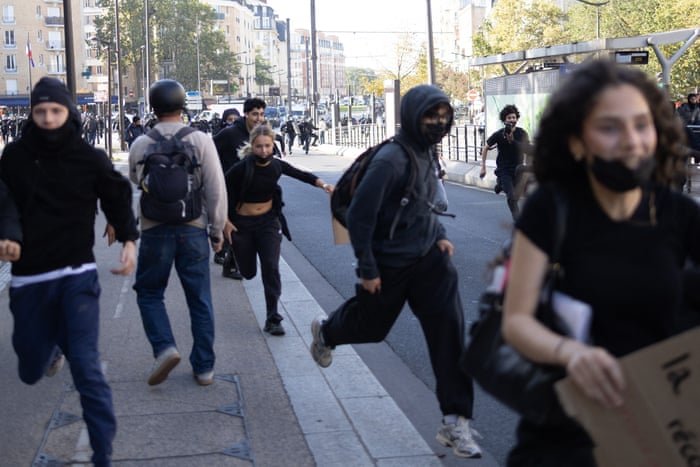
The violence on the margins has created a political problem for the student unions, who have repeatedly sought to distance the organised movement from the rioters — but has not dimmed the underlying demands that are driving hundreds of thousands of young people into the streets.
**The Numbers**
France's Ministry of Justice confirmed that more than 5,060 people have been arrested since the protests began, with 87 percent of those arrested being minors — a statistic that has generated alarm among child rights advocates and prompted calls for authorities to temper their response. The education minister confirmed that 735 of France's 3,700 schools have been affected by the protests in "one way or another," according to Justice Minister Gérald Darmanin. Around 900 demonstrations took place across France in a single day last week. Roughly 400 to 500 school buildings remain closed due to damage.
**The Political Dimension**
The protests have been drawn, inevitably, into France's volatile political landscape. Education Minister Édouard Geffray held talks with school unions, staff and parent bodies on Friday. Teachers unions have not only expressed solidarity with the students but have called their own members to join Tuesday's national day of action — turning what began as a pupil movement into a broader confrontation between France's public education sector and the government.
Jean-Luc Mélenchon's La France Insoumise — which won the July 2026 legislative elections and currently leads France in a fractious cohabitation with President Emmanuel Macron — has used the crisis to demand emergency education investment, framing the protests as evidence of the systemic neglect of France's public schools under successive governments. Critics on the right, meanwhile, have focused on the violence and demanded firmer enforcement.
The cohabitation dynamic — a left-wing government under Prime Minister François Ruffin operating alongside a centrist president with whom it fundamentally disagrees — has complicated the response at every level, with each institution seeking to demonstrate authority in a crisis that is simultaneously educational, social, political and public order in nature.
**The Shadow of May 1968**
No political observer in France writes about a national student protest without invoking the memory of Mai 68 — the uprising that began in Parisian universities in May 1968, spread to factories and workers across the country, and came close to bringing down Charles de Gaulle's government. France has a long and specific tradition of student protests that spiral into broader social convulsions, that shake governments and that leave political legacies lasting decades.
Tuesday's national day of action will not, most analysts say, reach the scale of 1968. But the combination of a government under pressure, a volatile cohabitation, a public education system its own teachers' unions describe as being "in crisis," and hundreds of thousands of angry young people on the streets of France is not a combination that any French politician of any political stripe can observe without a degree of discomfort.
The blocked school gate in Créteil was two weeks ago. France is still trying to open it.
Source BBC NEWS
More in World