Education Ministry Tightens Rules on School Boarding Sections
Education Ministry Tightens Rules on School Boarding Sections
By Kigongo Issa
The Ministry of Education and Sports has announced stricter requirements for schools operating boarding sections, warning that institutions running unauthorised facilities or exposing learners to safety risks will face appropriate action.
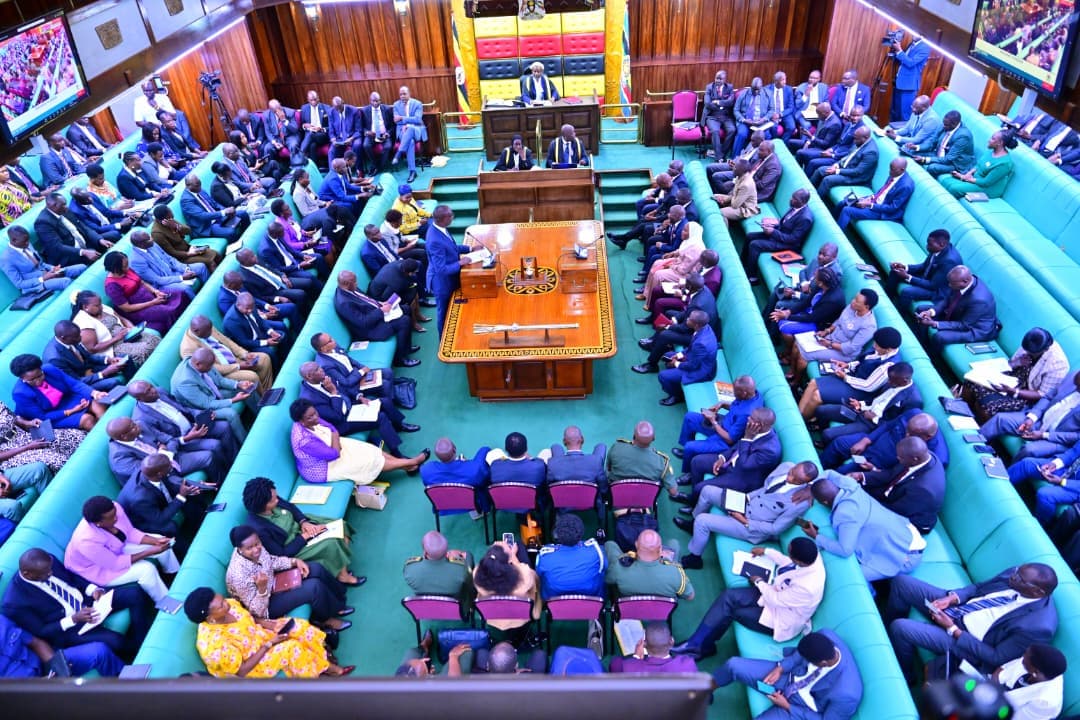
In a ministerial statement presented to Parliament in October 2026, Minister of State for Education and Sports (Sports) Peter Ogwang said schools must obtain approval from the Ministry before operating boarding sections and comply with established standards on infrastructure, sanitation, security and learner welfare.
The Ministry said the measures are intended to protect learners from unsafe accommodation arrangements, including cases where classrooms, laboratories, libraries and halls intended for teaching and learning are converted into dormitories.
According to the statement, boarding facilities must have adequate sleeping space, proper ventilation, sanitation facilities, emergency exits, fire prevention equipment and safe electrical installations. Schools are also required to provide trained personnel, proper supervision, safeguarding systems and appropriate arrangements for food, nutrition and hygiene.
“The Ministry of Education and Sports regards the safety, protection, health and welfare of every learner as a fundamental responsibility,” the statement reads.
The requirements are guided by the Ministry’s Guidelines for Operating Boarding Sections in Schools and Institutions, including the 2024 guidance, as well as the 2026 Basic Requirements and Minimum Standards.
The Ministry said boarding facilities must be regularly inspected, properly maintained and adequately resourced to ensure that learners study and live in safe environments.
UPE and USE schools warned against compulsory boarding
The Ministry also reaffirmed its position on boarding arrangements in schools implementing Universal Primary Education (UPE) and Universal Secondary Education (USE), saying they must not undermine access to free basic education.
According to the statement, participation in boarding must remain voluntary, and schools implementing the programmes must not force learners to take up boarding.
The Ministry further warned that boarding-related charges must not create financial barriers that undermine equitable access to education, particularly for children from disadvantaged households.
It also cautioned UPE and USE schools against diverting teaching and learning resources to unauthorised boarding operations or expanding boarding capacity solely to increase enrolment, generate revenue or justify the diversion of public funds.
The Ministry said it would periodically review the need for boarding in every authorised UPE and USE school. Where the need no longer exists, the government may require the boarding section to be restructured or discontinued.
Schools face enforcement measures
The statement said the government would strengthen the regulation, inspection and enforcement of boarding standards, with schools required to address any gaps identified during inspections.
Appropriate action will be taken against facilities operating unlawfully or exposing learners to unacceptable risks, according to the Ministry.
The government acknowledged that boarding facilities remain important for learners living far from schools, those in hard-to-reach areas, learners with disabilities who require specialised arrangements, and other vulnerable children who face difficulties travelling to school daily.
However, it maintained that such arrangements must serve the interests of learners without compromising their safety, dignity or access to quality education.
The Ministry said the measures are part of the government’s broader commitment to expanding equitable access to quality education while ensuring that schools maintain safe and appropriate learning environments.
“Boarding can serve a legitimate educational purpose. It must never, however, put learners at risk, take the place of instructional facilities or impose unlawful financial barriers to education,”
More in Local