Charcoal ban divides Uganda as police seize bags — and livelihoods hang in balance
A renewed security crackdown on the charcoal trade in northern Uganda has drawn mixed reactions: environmentalists back the effort to save the country's forests, but traders and households warn of rising costs and ruined businesses.

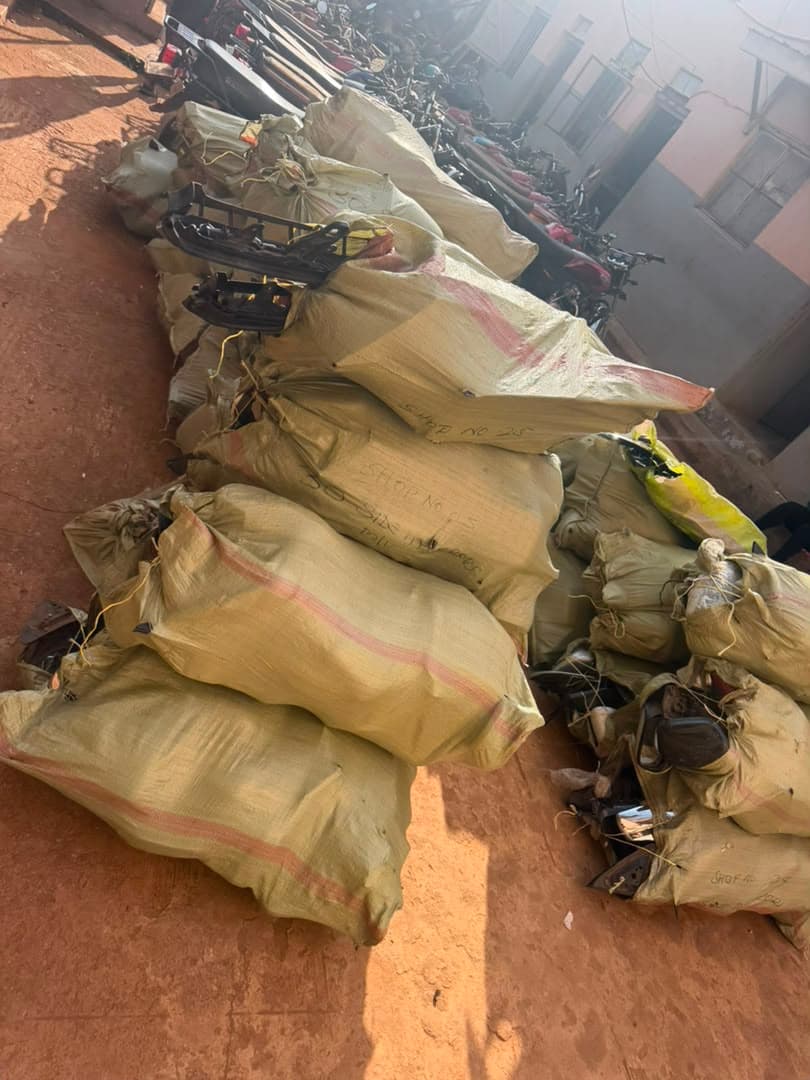
Kampala — Ugandan police and soldiers have intensified a crackdown on the charcoal trade across northern Uganda, West Nile and the Teso sub-region, seizing hundreds of bags and warning that even motorists carrying a single bag in their vehicle will be arrested.
The operations enforce a presidential order banning commercial charcoal burning and trade in the region — Executive Order No. 3 of 2023 — which authorities say is essential to halt rampant deforestation. But the clampdown, now extending to roadside vendors along major highways, is colliding with a hard reality: charcoal remains the primary cooking fuel for millions of Ugandans.
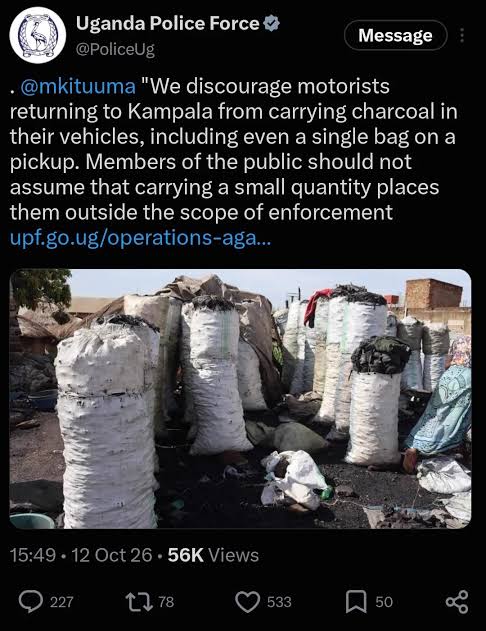
"We discourage motorists returning to Kampala from carrying charcoal in their vehicles, including even a single bag on a pickup," police said in a statement, after operations in Amuru and Pakwach districts last week netted 275 bags of charcoal and two arrests. Among those detained was the driver of a vehicle found carrying 26 bags in Pabbo Town Council.
Police spokesperson Rusoke Kituuma said even domestic users would not be exempt. He cited the case of a pastor who called seeking clarification about transporting a single bag for personal use. "Whether you are carrying a single bag on your pick-up as an individual, we will not spare you in this operation," he said.
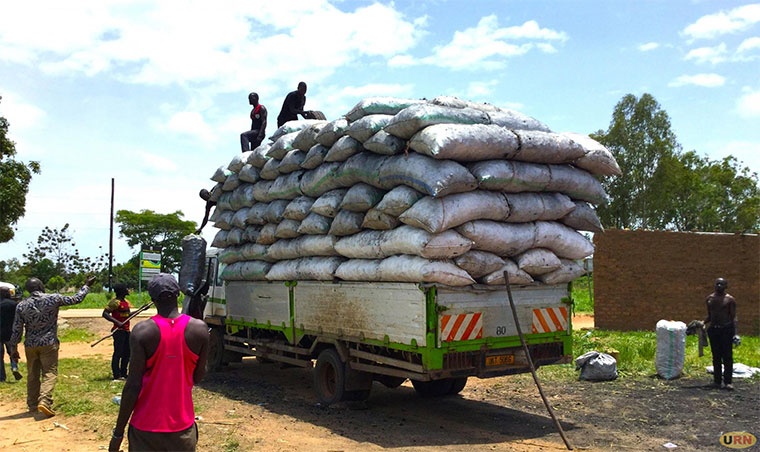
60% of forests lost
The government's concern is not without foundation. Uganda has lost more than 60% of its forest cover since 1960 due to uncontrolled charcoal production and deforestation, according to Major General Keith Katungi, commander of the army's 5th Infantry Division, with endangered species such as shea trees increasingly targeted.
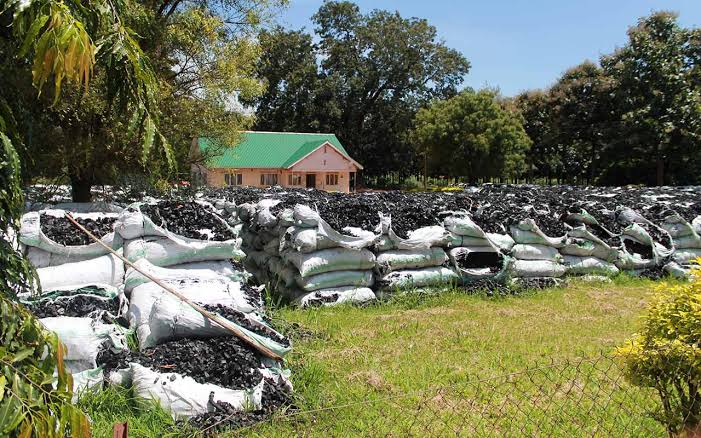
But the human cost is mounting. Traders say the abrupt enforcement has wiped out investments, while households — particularly in low-income urban areas — are grappling with soaring prices for the fuel they rely on most. The trade remains deeply embedded in the economy: according to the Uganda Bureau of Statistics, 21% of Ugandans cook with charcoal and 73% with firewood.
Earlier operations have been severe. In August, at least 40 dealers were detained in Gulu after seeking permission to continue trading, arguing their charcoal had been imported from South Sudan under permits they believed were legitimate. Their request was denied. Seized charcoal has in several cases been redistributed to vulnerable households.

'No easy answers'
Environmentalists broadly support the restrictions, but new research suggests the ban's benefits may be limited. A study published in Environmental Research Letters found that while the measure reduced deforestation locally, it likely displaced charcoal production elsewhere — resulting in little net carbon conservation, and possibly an increase in regional emissions.
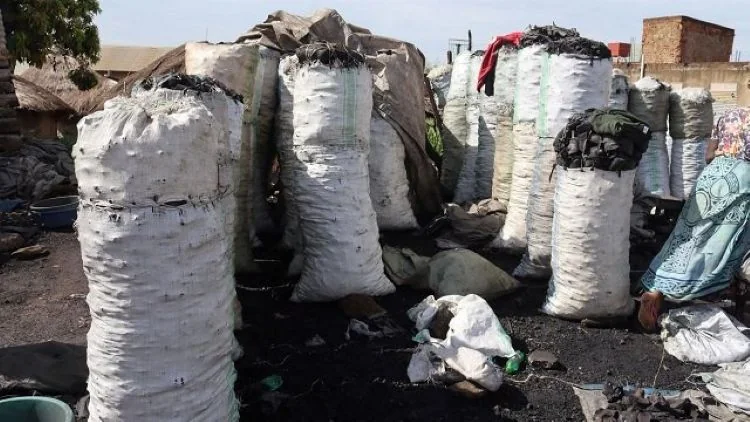
That leaves policymakers with a familiar dilemma. Officials say the operations will continue and the executive order stands, with investigations set to guide further arrests and prosecutions. For thousands of families across the north, the more immediate question is a practical one: what to cook with, and at what price, when the charcoal runs out.
Source DAILY MONITOR
More in Local