
Canada Pulls Back From Assisted Dying Expansion for Mental Illness Patients
Government cites lack of consensus, introduces new law to indefinitely bar 'Track Two' MAID as March 2027 deadline is abandoned
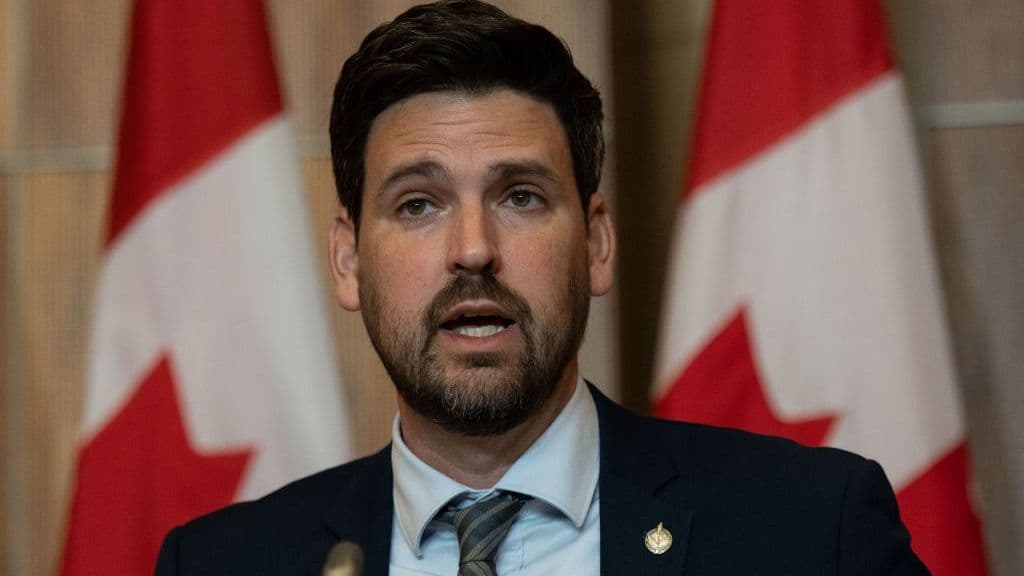
OTTAWA — Canada's Liberal government has announced it will indefinitely bar people whose sole medical condition is a mental illness from accessing medically assisted dying, abandoning an expansion that had been scheduled to take effect in March 2027 and closing the door on a plan the country had been delaying, debating and deferring for more than three years.
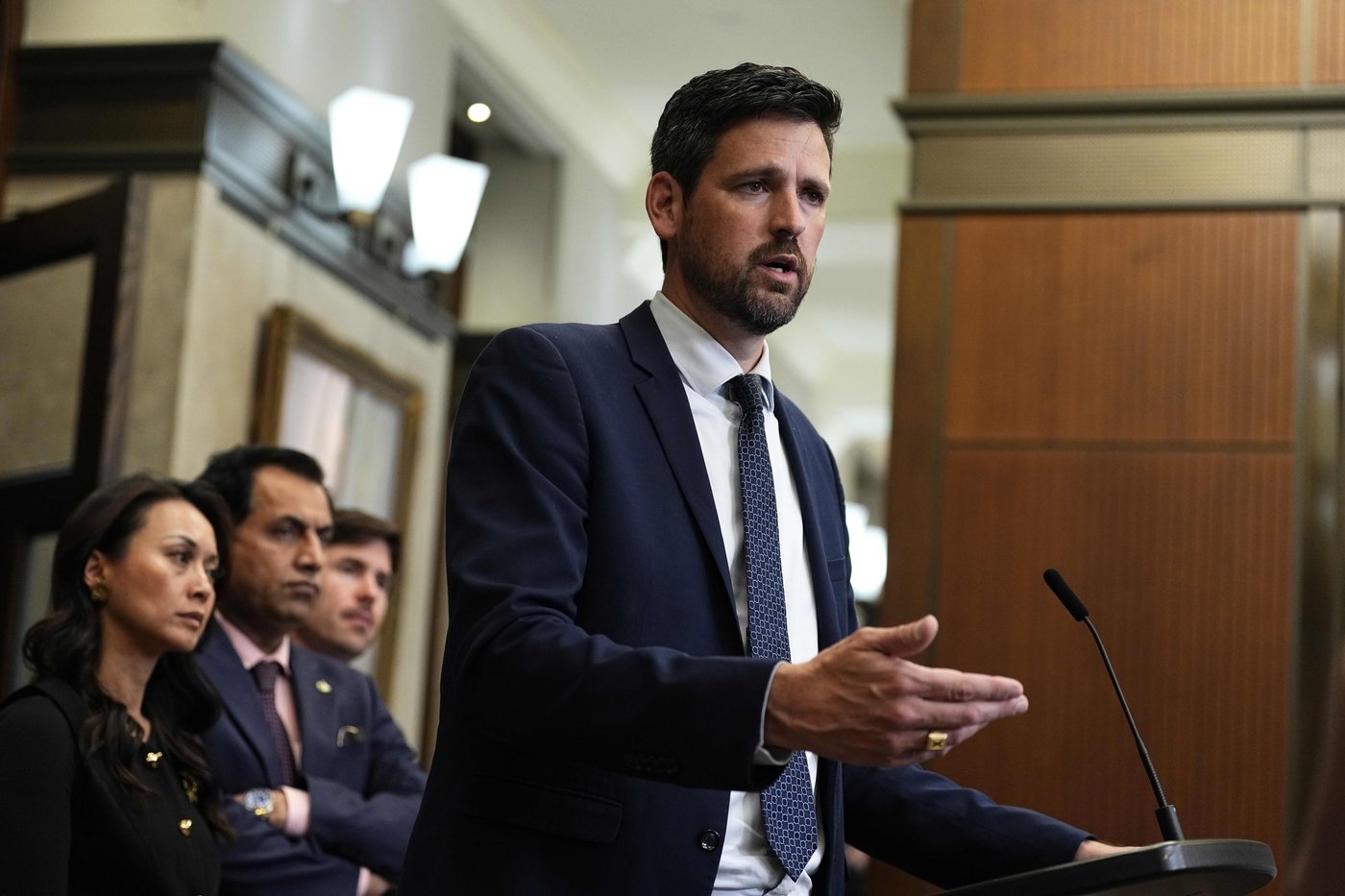
Justice Minister Sean Fraser made the announcement on Wednesday, October 7, 2026, telling reporters that the government would introduce new legislation in the coming weeks to formally suspend the expansion indefinitely. "While there is not a perfect consensus on this issue, we believe this is the correct approach at this particular time," Fraser said.

---
A Decision Ten Years in the Making
Canada legalised medical assistance in dying — known as MAID — in 2016, initially restricting it to people with terminal illnesses. In 2021, eligibility was broadened to include people with serious and incurable conditions that are not immediately terminal, but the question of whether to extend the programme to people whose sole underlying condition is a mental disorder proved far more contentious.
The expansion to mental illness was first scheduled to take effect in March 2023. It was delayed by one year, to March 2024. It was delayed again, to March 2027. On Wednesday, the Carney government ended the cycle of postponements not with another date but with an indefinite bar — a formal legislative decision that people with mental illness as their sole condition will not be eligible for MAID for the foreseeable future.

The trigger for Wednesday's announcement was a recommendation made earlier this year by a parliamentary committee studying the issue, which urged federal lawmakers to exclude mental illness cases from MAID access indefinitely — citing concerns that Canada's healthcare and psychiatric systems were not sufficiently prepared to assess and deliver assisted dying safely and ethically for this population.
A federal court case brought by advocates challenging the government's earlier delays on constitutional grounds remains before the courts and was not resolved by Wednesday's announcement.
---
What Changes — and What Is Being Added
The proposed legislation will do two things.
First, it will codify the indefinite suspension of what is known in Canada as "Track Two" MAID — the pathway designed for people with serious incurable conditions who are not near their natural death, under which the mental illness expansion was to have operated.
Second, and notably, the legislation will introduce a new provision: advance requests. Under this measure, patients who have a progressing incurable illness will be permitted to consent to assisted dying before their health deteriorates to the point where they are no longer able to communicate that consent themselves. This has been a longstanding demand from patient advocates and represents a significant expansion in a different direction — one that is expected to pass with broader political support than the mental illness question ever commanded.
---
The Fault Lines
Wednesday's decision lands in the middle of one of the most genuinely contested ethical debates in Canadian public life.
Those who support extending MAID to people with mental illness argue that barring them from access while permitting it for those with physical conditions amounts to discrimination — a two-tier system that treats mental illness as less serious, less real or less deserving of the same right to a self-determined death. Advocates say they should have the same rights as patients with other types of illness, and that the indefinite suspension violates their constitutional rights and their access to healthcare.
Those who oppose the expansion — including disability advocacy groups, many psychiatrists and a significant portion of the public — raise concerns that go to the heart of the clinical challenge: it is often impossible to determine whether a mental illness is truly "irremediable," as required under Canadian law for MAID eligibility. Some psychiatrists argue that what presents as an irremediable condition may respond to treatments not yet tried, or to circumstances not yet encountered. Others raise a harder concern: that what looks like a request for assisted dying may, in some cases, be an expression of suicidality rather than a settled autonomous choice.
Disability groups have gone further, reporting documented cases in which assisted dying was offered to people with disabilities without those patients having requested it — a pattern that, if accurate, represents a profound failure of the safeguards the programme was designed to maintain.
Public polling in Canada shows broad support for the general framework of MAID, but that support drops sharply when respondents are asked specifically about patients whose sole condition is a mental illness.
---
The Critics Who Will Not Be Satisfied
Wednesday's announcement will not end the debate — it will deepen it, in different directions simultaneously.
Mental health advocates who have been pressing for equal access to MAID will be bitterly disappointed. A federal court challenge to the previous delays is still live. Supporters of the expansion will argue that the government has once again abandoned people with the most severe psychiatric conditions to a system that has consistently failed to treat them and is now denying them the option of a dignified death.
Conservative critics, who have argued that Canada's MAID programme has already expanded too far and too fast, will welcome the pause — but note that the introduction of advance requests in the same legislation moves the programme in a direction they have also opposed.

And in the middle, the government that introduced the programme in 2016 and has spent a decade trying to manage its expansion is once again asking the country to accept that the answer to an extraordinarily difficult ethical question is: not yet.
Source BBC NEWS
More in World